Flat Paper Christmas Tree Illustration Review
A Warm Welcome to a Seasonal Graphic Design Asset
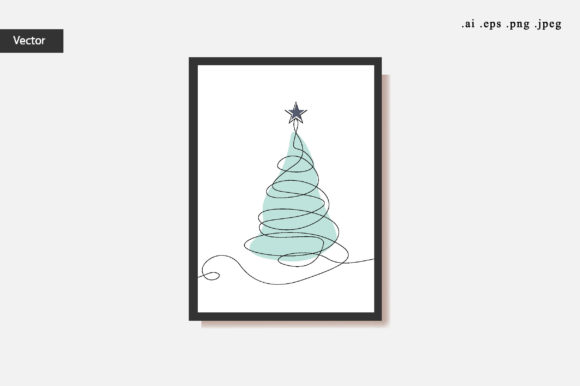
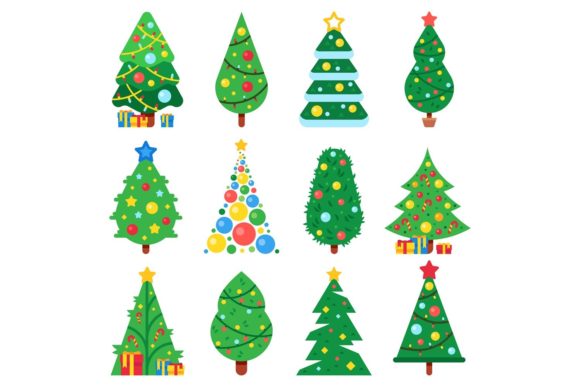
Flat Paper Christmas Tree is an illustration that immediately evokes the charm of handmade holiday décor. Its soft, paper-like texture and minimalist silhouette bring a sense of authenticity and warmth to any design project. As a designer who regularly works with seasonal campaigns and small business branding, this asset feels like a natural fit for clients looking to infuse their visuals with a touch of festive nostalgia.
The illustration’s muted tones and clean lines suggest a modern yet traditional aesthetic. It's not overly detailed, which makes it versatile for various applications. Whether you're designing for a boutique product line or a local event, this graphic design asset can help set the mood without overpowering other visual elements.
Where Flat Paper Christmas Tree Shines in Real Design Projects
This illustration performs exceptionally well in large layout areas where it can be the focal point. Think hero graphics for website banners, product mockups for packaging design, or decorative accents on social media posts. It pairs beautifully with handwritten fonts and script styles, enhancing the overall emotional appeal of a design.
For digital product creators and Etsy sellers, this illustration could be a key element in a themed collection of printable wall art or sticker designs. When placed on a Cricut project or used as part of a Canva template, it adds a subtle but meaningful layer of brand identity.
In marketing visuals, especially for handmade businesses or small shops launching seasonal products, Flat Paper Christmas Tree can serve as a supporting brand element. It helps reinforce the idea of craftsmanship and personal touch—perfect for a handmade business aiming to stand out in a competitive market.
Considerations for Professional Use
While this illustration is highly versatile, there are scenarios where it should be used carefully. In crowded layouts or when paired with complex backgrounds, its simplicity may get lost. Similarly, if your project requires a very clean visual hierarchy, this asset might not be the best choice unless it's used as a subtle accent.
When working with small sizes, such as for Instagram posts or Pinterest pins, ensure that the illustration maintains clarity and doesn’t become pixelated. Testing it in black and white can also reveal how well it stands out against different color schemes and background tones.
For print-on-demand sellers or those using it in sublimation design, checking the file formats—especially PNG transparency and SVG editability—is crucial. A commercial license should also be confirmed before incorporating it into any client or business project.
Design Notes: Practical Tips for Using Flat Paper Christmas Tree
Before finalizing its use in a client project, test the illustration in various contexts. Place it on real mockups to see how it interacts with other design elements. Preview it at both small and large sizes to ensure it remains legible and visually appealing across all platforms.
Compare it with different font styles—serif, sans serif, script, and display—to find the best match. For instance, pairing it with a handwritten font can create a cohesive, handcrafted look ideal for a small business branding project. On the other hand, a bold sans serif font might give it a more modern twist suitable for a digital ad or editorial design piece.
Also, consider how it affects readability and visual hierarchy. While it's great for adding character, it shouldn't distract from the main message of the design. When used as part of a larger brand identity system, it should support—not overshadow—the core visual elements.
Final Thoughts on a Versatile Design Asset
Flat Paper Christmas Tree is more than just a festive clipart—it's a creative design tool that can elevate the emotional appeal of a wide range of projects. From packaging design to web design, it offers a unique way to connect with audiences through visual storytelling.
As a designer, I’d recommend considering this illustration for any project that benefits from a warm, approachable, and slightly whimsical aesthetic. Just be mindful of its placement, size, and context to ensure it complements rather than competes with other design elements. With the right application, it can be a valuable addition to your design bundle and a useful asset for commercial design work.